The Emotional Cost of Avoidance: Why Leaders Drift, Teams Overfunction, and Chaos Spreads
Avoidance is one of the most expensive behaviors inside an organization, and it rarely shows up on a P&L. You will see it in burnout, resentment, misalignment, rework, client frustration, team dysfunction. and quiet panic. Avoidance isn’t passive. It’s an active force that shapes the entire system. And the emotional cost is far higher than leaders realize.
Avoidance Isn’t a Behavior
People tend to see the behavior, but avoidance is actually a pattern. A pattern that shows up differently depending on the role:
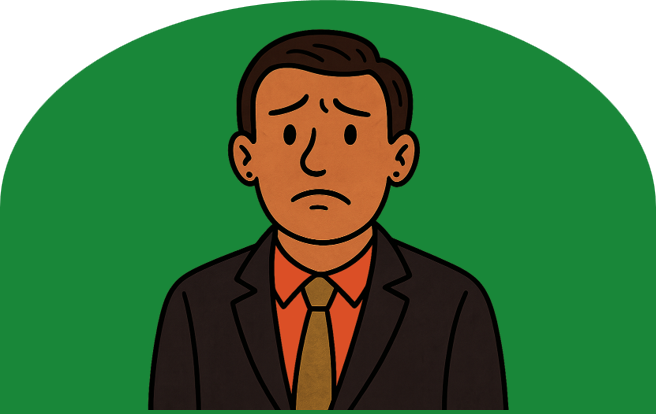
Sam, Managing Partner
Sam is the Managing Director of a 20-person PR firm. He has high anxiety, avoids conflict, and knows things are breaking but fears the exposure of the issues as a personal failure.
The cycle: he avoids conflict to protect feelings, so he absorbs the stress and the system destabilizes.
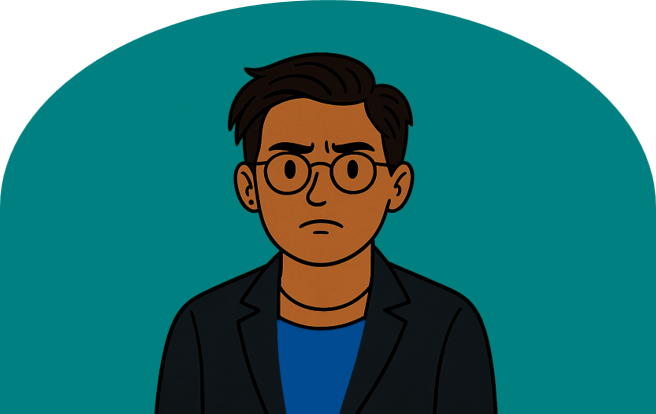
Alex, Senior Strategist
Alex is a senior strategist who feels the impact of a lack of structure and a business not focused on its vision. He is the unofficial glue, seeing dysfunction early, but lacks the authority to fix systemic issues.
The cycle: he avoids escalation so he chooses to overfunction which strengthens other’s dependence on his heroics, and he burns out quietly.
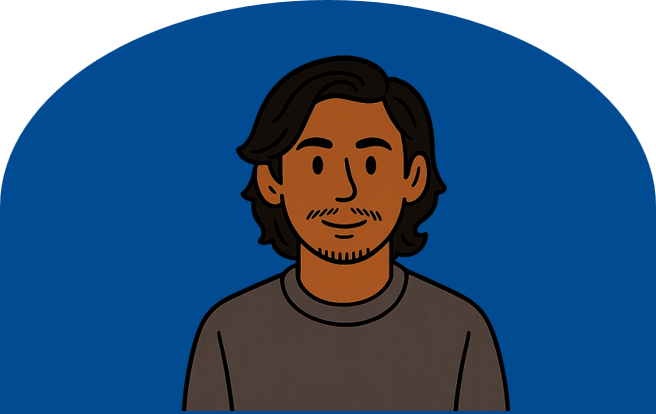
Casey, Business Strategy Specialist
Casey is a Business Strategy Specialist who also struggles to understand his employer’s vision authority assignments. He is pattern-driven, emotionally intelligent, and is constantly translating between teams.
The cycle: he avoids pushing back, translates dysfunction to others, and carries the invisible emotional labor.
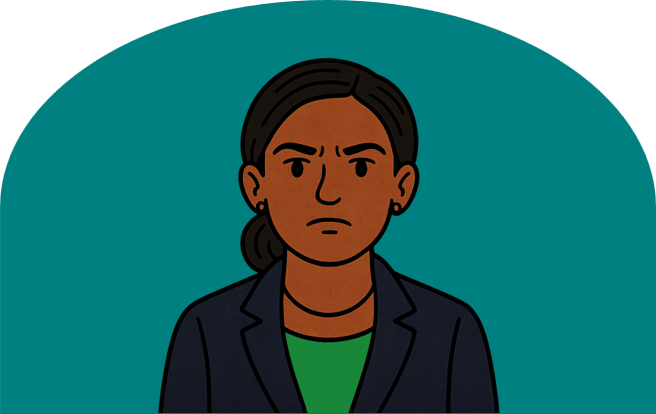
Priya, Chief Operating Officer
Priya is the COO of a 75‑person B2B consultancy. She has high frustration tolerance, is obsessed with operational clarity, and is tired of being the only one who sees the gaps. She’s the person who feels the Maturity Vacuum first.
The cycle: She sees the drift, tries to create clarity, meets leadership avoidance, and compensates with more structure.
The Shame Loop
Avoidance creates shame. Shame creates more avoidance. Leaders think:
“I should have caught this earlier.”
“I don’t want to look incompetent.”
“I don’t want to upset the client.”
“I don’t want to expose how messy this is.”
So, they delay the conversation. And the problem grows. Shame is the emotional engine of drift.
The Fear Loop
Avoidance is also fueled by fear of losing the deal, disappointing the team, being wrong, being blamed, being exposed, and conflict. Fear turns leaders inward. When leaders turn inward, teams lose direction. Fear is the emotional engine of sludge. A sludge that creates friction and pain, wearing down productivity and quality.
The Paralysis Loop
Avoidance creates paralysis where decisions stall, meetings multiply, clarity evaporates, people wait instead of act, work slows down, and resentment builds. Paralysis is not intentional indecision. It’s emotional overload. The buildup of this toxic sludge creates the barrier to action.
The Overfunctioning Loop
When leadership consistently avoids tackling and preventing this buildup, someone else compensates. In this example it would usually be Alex or Casey. They take on more work, translate more dysfunction, solve problems they didn’t create, protect clients from internal chaos, and protect leadership from the truth. Overfunctioning is not heroism. It’s a symptom of systemic immaturity within the organization.
The Resentment Loop
Avoidance always ends in resentment with people thinking:
“Why am I the only one who sees this?”
“Why am I carrying everything?”
“Why won’t leadership make a decision?”
“Why am I fixing problems I didn’t create?”
Resentment is the emotional engine of churn. Resentment comes from a lack of clarity and compliance.
The Downstream Chaos
Avoidance at the top becomes chaos everywhere else, you see consistent signals: unclear scopes, vague proposals, misaligned expectations, client frustration, delivery breakdowns, burnout, turnover, and ultimately lost revenue and profit. Avoidance seems like a neutral action, but it is an expensive and negative decision.
The Path Out
The antidote to avoidance is not courage. It’s clarity. Clarity reduces shame. Clarity reduces fear. Clarity reduces paralysis. Clarity reduces overfunctioning. Clarity reduces resentment. Clarity is emotional containment. When leaders choose clarity, teams choose alignment. What’s often seen as a lack of action, critical thinking, and confidence is actually a lack of clarity.
If this resonated, here’s where to go next:
Inside the Maturity Vacuum: A Real‑World Look at Drift, Sludge, and Leadership Avoidance
A breakdown of the structural patterns that emerge when leadership maturity falls behind complexity.The Chaos Cycle: Why Agencies Stay Stuck (and How Leaders Break It)
How unspoken fear, unclear roles, and missing systems trap teams in reactive mode.When Your COO Is Doing Three Jobs
The hidden emotional and operational cost of overfunctioning and structural gaps.Map Your Leadership System
Take the Unified Business Leadership Diagnostic (UBLD) a 20‑question assessment that reveals where drift is happening across Vision, Structure, Culture, and Execution.See How System Failure Shows Up in Real Organizations
Case studies of teams moving from emotional overload and role confusion to clarity, structure, and sustainable performance.Build the Operating System You Deserve
How we help founder‑led organizations replace chaos with clarity, alignment, and leadership capacity.
Avoidance doesn’t mean you’re failing. It means the system is asking for a higher level of maturity.
Clarity is where that shift begins.